
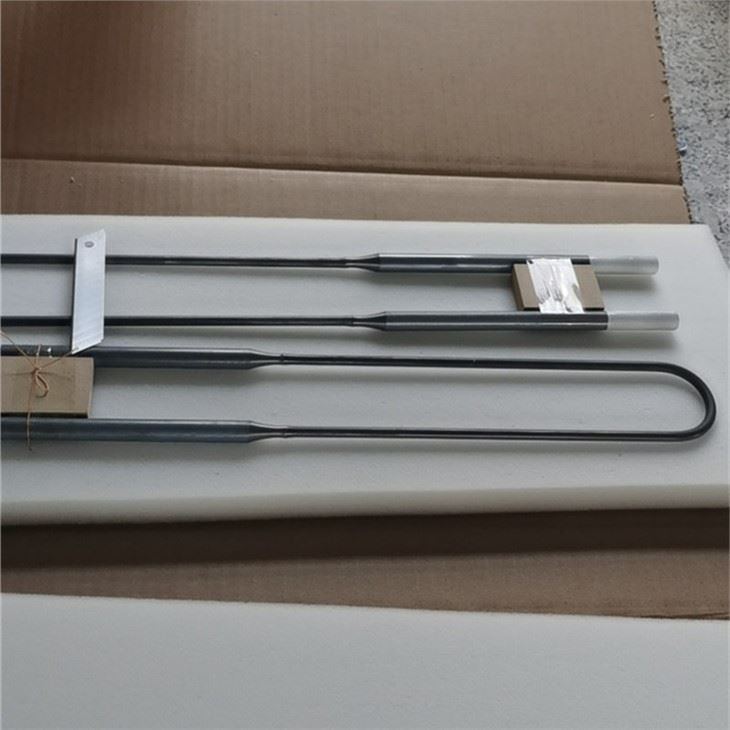
Frigidaire Parts Clothes Dryer Heating Element
Molybdenum disilicide heating elements is made on the basis of molybdenum disilicide, resistant to high temperature and oxidation.
We adhere to the business philosophy of 'grow together with the industry and progress with the society', continuously improve, deeply study the ceramic fiber drop warp tape, ceramic bearings si3n4 skate, ceramic heating pad size industry, and promote the rapid development of the industry. Since customers are the direct source of benefits, we have to insist on honesty and establish the service tenet of customer first. We are committed to effectively reduce the production cost of enterprises, effectively improve the profitability and competitiveness of enterprises.
Products Description
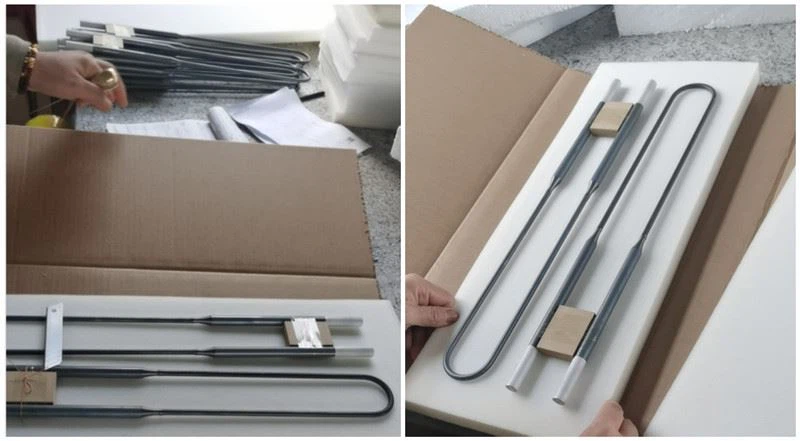
Molybdenum disilicide heating elements is made on the basis of molybdenum disilicide, resistant to high temperature and oxidation. The main types are U-shaped silicon-molybdenum rods, W-shaped silicon-molybdenum rods, U-shaped right-angle silicon-molybdenum rods, U-shaped bent silicon-molybdenum rods, I-type silicon-molybdenum rods, L-shaped silicon-molybdenum rods, and special-shaped silicon-molybdenum rods.
Properties
Heating surface of rated temperature: 1600℃.-1900℃
The common diameters of silicon molybdenum rods
Model 1700/1800/1850/1900: d1x d2: Φ3/6, Φ4/9, Φ5/10, Φ6/12, Φ7/14, Φ9/18, Φ12/24 and other specifications d1=hot end Diameter (thinner) d2=cold end diameter (thick end)
Dedicated for denture furnace: d1x d2: Φ3/6, Φ4/9, Φ5/10
d1=diameter of hot end (thinner)
d2=cold end diameter (thick end)
How to distinguish silicon molybdenum rods and silicon carbide rods correctly?
1. The temperature is different. Silicon carbide rods are generally used at around 1000-1450 degrees. The new process of hot bending of silicon molybdenum rods can now reach a temperature of over 1900 degrees.
2. The scope of use is different. Silicon carbide rods are generally used in small box-type electric furnaces, experimental electric furnaces, and muffle furnaces. Silicon molybdenum rods can be used in industrial high-temperature furnaces such as large muffle furnaces, box furnaces, tube furnaces, ceramics, magnetic materials, glass, metallurgy, refractory materials, etc.
3. The material is different. Silicon molybdenum rod is a resistance heating element based on molybdenum disilicide. The silicon carbide rod is a rod-shaped, tubular non-metallic high-temperature electric heating element made of high-purity green hexagonal silicon carbide as the main raw material, processed according to a certain material ratio, and after 2200℃ high-temperature silicidation and recrystallization sintering.
Q&A
1. How about the delivery time?
It usually needs 2 weeks to complete the production and needs 2-3days to shipping the goods to our nearest seaport.
2. What is the delivery port?
Generally shipping by air such as Beijing international airport.
"Persist in striving and innovating" is one of Frigidaire Parts Clothes Dryer Heating Element's core values and the basic spirit that supports our development and growth. We stick with the theory of 'quality first, company first, steady improvement and innovation to satisfy the customers' for the management and 'zero defect, zero complaints' as the quality objective. Developing in innovation and innovating in development, the affirmation of users is our greatest honor.
Hot Tags: electric heating elements, China, suppliers, manufacturers, factory, customized, wholesale, cheap, pricelist, low price, free sample, ceramic fiber rope density, ceramic heating element for smoking, ceramic fiber insulation gasket, silicon carbide thermocouple protection tube, alumina ceramic multiple bore tubes, alumina ceramic grinding ball factory
 Insulated Wear Resistant Si3n4 Silicon Nitride Ceram...
 Refractory Bonded Silicon Ceramics Si3n4 Sic Plate
 Machining High Precision Alumina/Yttrium Stabilized ...
 99% Alundum Ceramic Alumina Tray Crucible for Muffle...
 Paint Coated Ceramics Bottles Cups Engraving by Ylp ...
 Jianda Refractory Material Insulation 1260 Ceramic F...
Send Inquiry