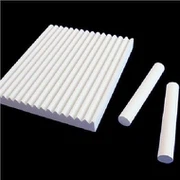
The Chemical Properties Of Silicon Carbide Rods in Use
Jun 23, 2021
The main component of silicon carbide rods is silicon carbide, and silicon carbide is an artificial abrasive made of man-made. Generally, silicon carbide is divided into black silicon carbide and green silicon carbide, and the purity of green silicon carbide is higher. Silicon carbide is relatively stable in nature and does not react with any acid, but at around 1300 degrees Celsius, it can chemically react with alkalis and alkaline oxides. In addition to being used in the abrasive industry, silicon carbide is used in the electrical industry to produce silicon carbide electric heating elements—silicon carbide rods, which can conduct electricity, heat conduction, and have a long service life. Therefore, the chemical properties of silicon carbide rods are very similar to those of silicon carbide. similar.
Antioxidant properties of silicon carbide rods:
After the silicon carbide rod is heated by electricity, the temperature will rise rapidly. Generally in the air, when the temperature of the rod body reaches 800 degrees Celsius, the surface oxidation reaction begins. As the temperature continues to rise to 1000 to 1300 degrees Celsius, the heating part of the silicon carbide rod will react with air to produce carbon dioxide and silicon dioxide. Silica will condense on the surface of the silicon carbide rods to form a dense protective film. When the temperature of the rod body continues to rise to about 1550, the thickness of the protective layer will become thicker due to the continuous production of silicon dioxide, which can isolate the silicon carbide rod from the air, which is effective for the formation of the rod body. protection. Thus began to reduce the oxidation rate of silicon carbide rods. However, the silicon dioxide protective layer also has a certain melting point. If the rod body continues to heat up to more than 1600 degrees, the silicon dioxide protective film will be destroyed due to the excessive temperature and fall off and other reactions, and then the oxidation rate of the silicon carbide rod will resume. improve. This situation should be avoided as much as possible during use, and the structure of the resistance furnace or industrial electric furnace should be designed reasonably. Pay attention to the position of the rod body during the installation of silicon carbide rods to avoid excessive local temperature or other electrical conditions during use. Mistakes cause the temperature of the silicon carbide rod to be too high, which greatly reduces the service life of the rod body.